
You Still Have Options: Recovering IEEPA Tariff Refunds After the CAPE and Protest Deadlines Have Passed
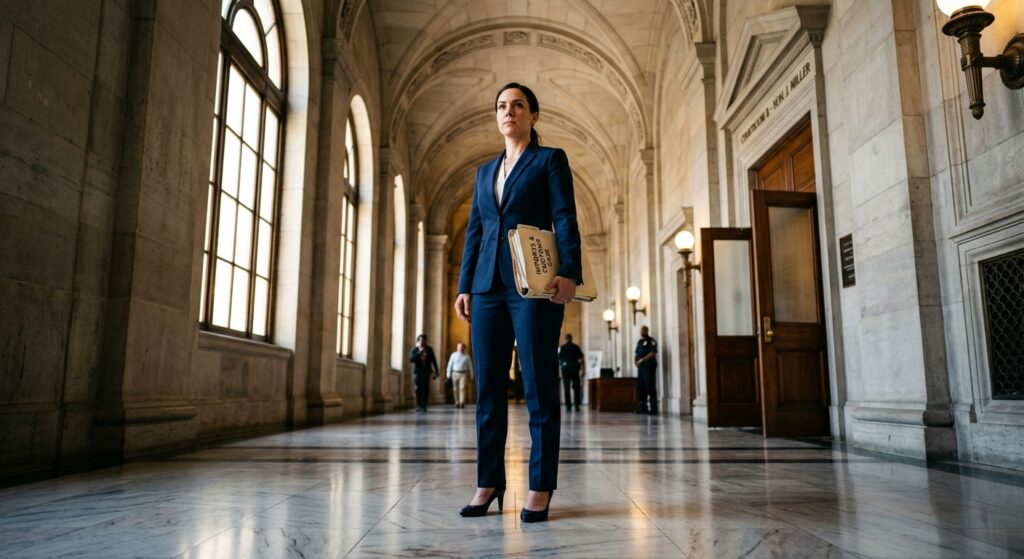
A wide-angle editorial photograph of a determined importer or business professional standing in a grand federal courthouse corridor, viewed from a low angle looking up, conveying strength and resolve. The figure is dressed in business attire, holding a thick folder of documents, with dramatic natural light streaming through tall arched windows casting long shadows across marble floors. The atmosphere is serious and institutional, with ornate neoclassical architecture visible — columns, high ceilings, and stone walls suggesting the weight and permanence of the legal system. In the background, blurred courthouse doors suggest an open path forward. The overall mood is one of opportunity within a formal, authoritative setting — hopeful but urgent. Cinematic lighting, editorial photography style, shallow depth of field.

The Supreme Court struck down IEEPA tariffs in February 2026, but many importers who missed the CAPE refund window or the 180-day protest deadline wrongly believe they have no recourse. A separate path through the U.S. Court of International Trade under 28 U.S.C. § 1581(i) remains open, offering a two-year statute of limitations — but acting quickly is critical before entry-specific deadlines expire permanently.

Read More

Who is responsible for tariff classification? What importers need to know about customs powers of attorney.

A professional editorial-style photograph of a businessperson in a formal suit sitting at a large wooden desk, carefully reviewing complex legal and customs documents spread across the surface, with a Harmonized Tariff Schedule binder open prominently in the foreground. The desk also holds a signed power of attorney document, a customs entry form, and a pen. The setting is a polished law office with bookshelves filled with legal volumes in the background. Soft, professional lighting creates a serious and authoritative atmosphere. The scene conveys legal responsibility, international trade compliance, and the weight of regulatory obligations. Photorealistic, high detail, editorial tone, warm neutral color palette.

Many importers assume their customs broker handles tariff classification, but that assumption is legally wrong. Under the Customs Modernization Act, the importer of record bears non-delegable responsibility for accurate HTS classification. A power of attorney authorizes a broker to act on your behalf — it does not transfer liability. Understanding this distinction, and when to involve customs counsel, is essential.

Read More

Why You Should Use an Attorney for CAPE Portal Declarations

A serious, editorial-style illustration depicting a formal legal setting where a professional attorney in a dark suit sits across a desk from a business importer, reviewing official government customs documents and financial ledgers. The attorney holds a pen over legal paperwork while stacks of documents, a federal courthouse architectural element, and financial figures are subtly visible in the background. The scene conveys trust, expertise, and high-stakes legal protection. The mood is authoritative and professional, with cool blue and deep navy tones accented by gold, suggesting governmental and legal gravitas. Photorealistic style with soft directional office lighting, shallow depth of field emphasizing the attorney-client interaction.

Importers seeking refunds on tariffs invalidated under the International Emergency Economic Powers Act can now submit claims through CBP’s CAPE tool, with tens of billions of dollars potentially at stake. The choice of who prepares those filings carries significant legal consequences beyond routine customs compliance. Using a customs attorney provides three protections unavailable with brokers…

Read More